In the spring of 2016, I bought myself a raspberry plant. I loved the idea of having a raspberry bush in my yard and being able to eat fresh raspberries every summer without paying the exorbitant grocery store prices. And while I have a black thumb, I had heard that raspberry bushes were a lot like blackberry bushes…. That they could grow like weeds with no intervention. It was supposedly impossible to mess it up! This sounded like a great plant for me. A win-win! Free delicious fruit without any effort!
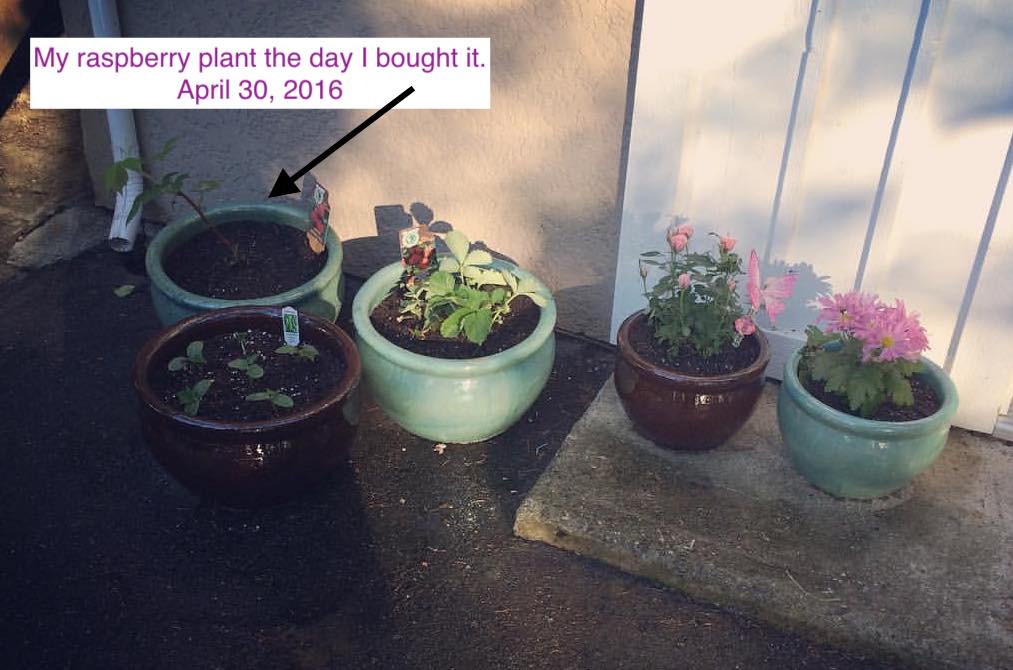
Over the next 7 years, I cannot deny that the bush grew. It went from one tiny little twig in a pot, to taking over an entire patch of garden in my yard. But still hardly any berries. Then in the fall of 2021 I trimmed it. Just a bit. I was scared. And by summer 2022, it had taken over. And not just the garden, but it started to grow out and block the path from my gate to my door. I had to start walking on the grass instead of the path to go around the long thorny branches. And while I was now definitely getting some berries, the ratio of berries to inconvenience was quite sad. I was beginning to think I had made a grave error.
So in the fall of 2022, I knew I had to take action. I went online and read up about how to manage raspberry bushes. And without any real confidence that I was doing the right thing, I hacked the bush back to a graveyard of twigs. I felt so relieved to have my yard back… the path to my doorway clear. But I was also nervous about the future of the plant. Would it come back? So then I waited….
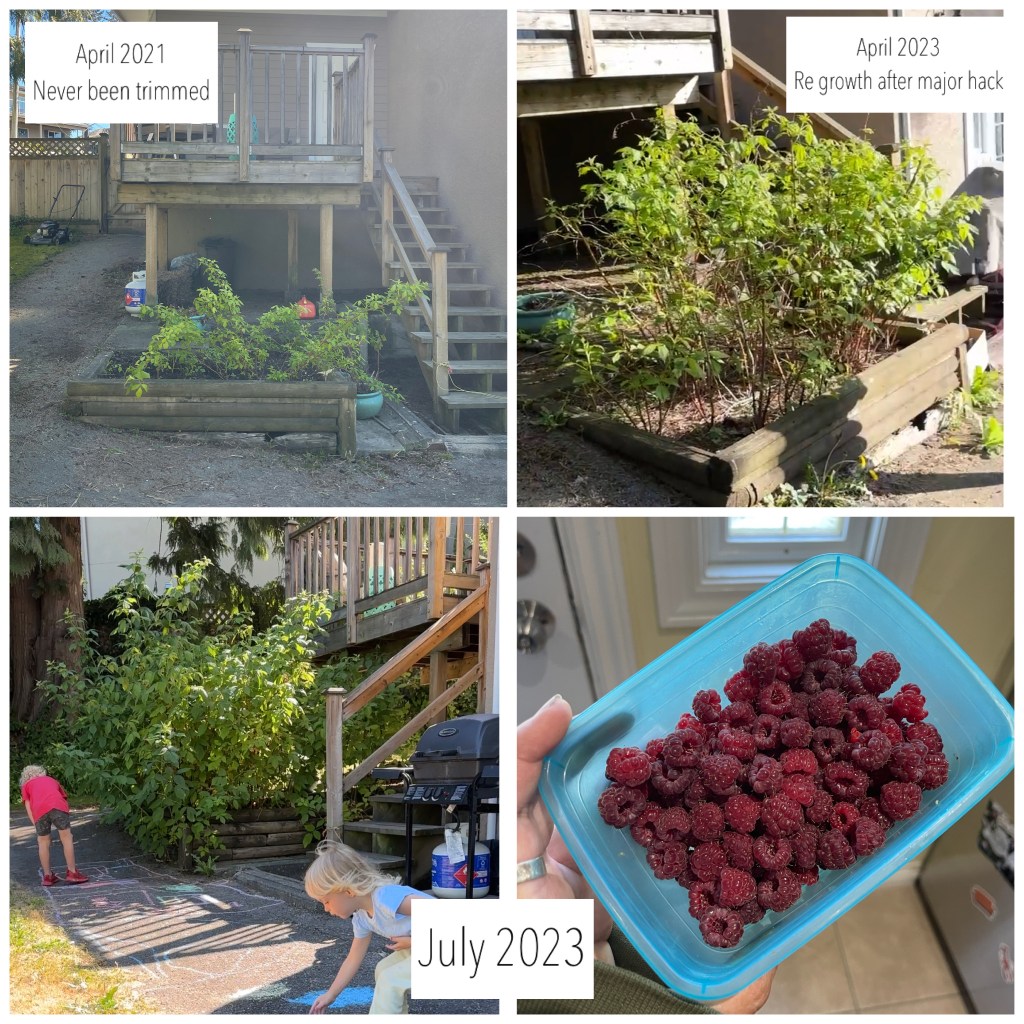
This past spring, not only did the bush grow back, but I had the most raspberries I have ever had since I bought the plant. We enjoyed an abundance of raspberries all summer long! I actually picked the last of them October 14th before I cut the bush back again for winter. And while it was overtaking my path again this year, the amount of fruit it produced more than made up for that. It turns out that to get the full benefit of my plant, I couldn’t just sit back and let it grow on its own. I had to tend to it.

I often feel like gifted learners are like my raspberry bush. In education, many teachers are overwhelmed by the other needs in their classroom garden, so it can be easy to neglect the gifted kids because we believe, like the raspberry bush, that they will grow without needing us to tend to them to the same degree as our students who sometimes have more visible needs. But this is not the case. Their full potential can only be reached when we make an effort to meet their needs. And this is fruit we NEED. Many of the innovations we have in society come from gifted minds of all kinds… people with high ability and intense passions in certain areas who find new, creative, efficient ways of creating advancements. But gifted minds that are not nurtured may not reach that potential.
Over the next couple of months, I am going to continue writing posts about supporting gifting learners based on the research I am doing and I would love feedback from anyone reading this. It would be helpful to know things like: did this shift your perceptions or your thinking? After reading any of my posts, are you noticing anything new? Has anything you’ve read changed your thinking or your practice? And really any other thoughts, no matter how big or small, that come up after reading my updates. And if you have questions, I would welcome those also.
I would also love to know if you have ever held any assumptions about gifted learners, or if you know of any common misconceptions. My aim is to be mindful that we are not falling victim to misconceptions about these students and allowing these misconceptions to impact our perceptions and our teaching, and therefore the experience gifted learners have in the classroom. I am specifically looking at the context of full inclusion programs where we are not defaulting to segregation or acceleration as a first step. I want to share things that I am learning as a teacher, researcher, and ‘gifted facilitator’, but I also want to make the things I share accessible for classroom teachers, and easy to try.
I would also love to hear about ways you currently connect to your gifted learners. Do you have any stories to share about how you reach and teach these students in your classroom? What do you notice? How have you shifted tactics in response to their unique needs? What are you doing that is working well with these learners?
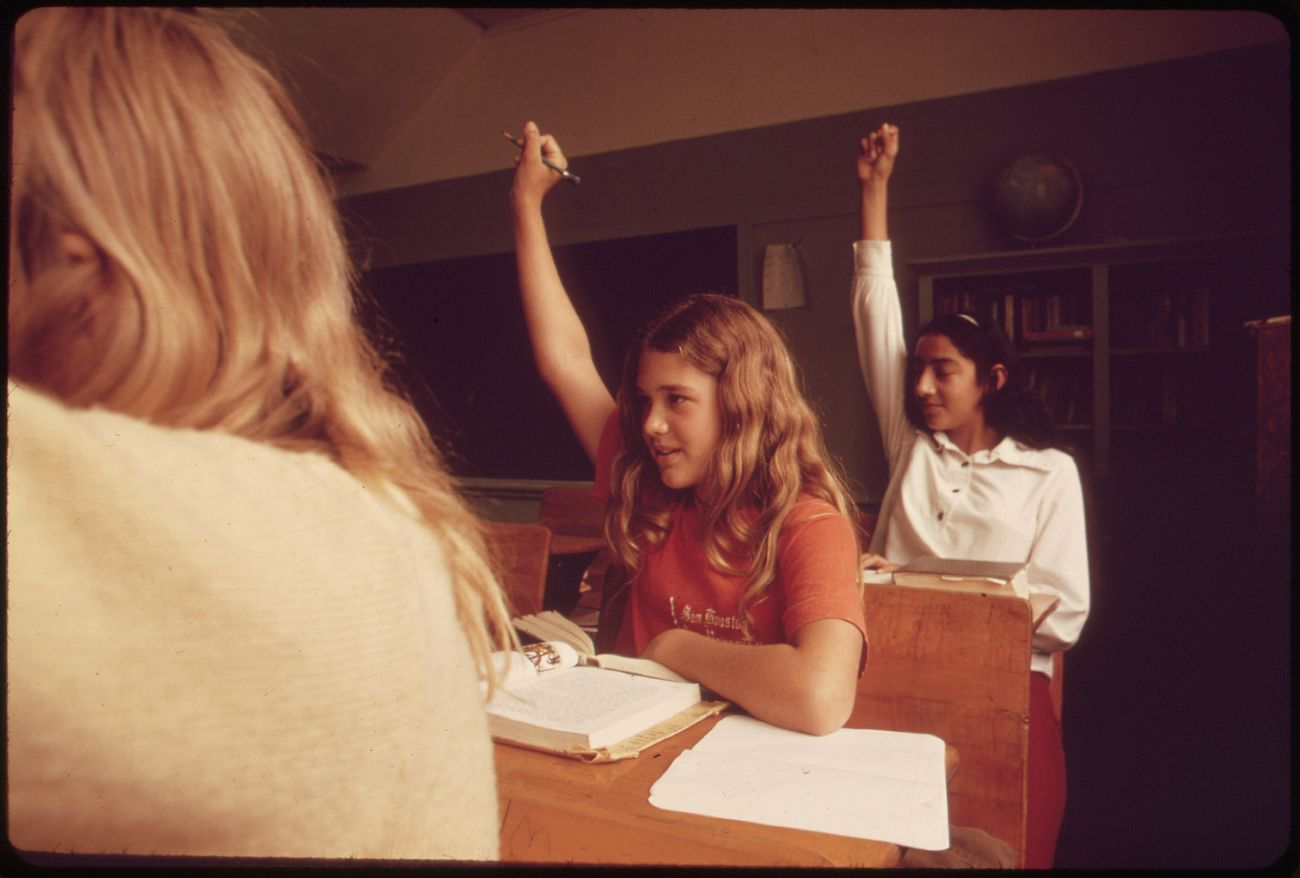
For now, I invite you, over the next week or two, to pay attention to the students in your class that you generally “don’t need to worry about”. Not just your designated gifted students (as there are likely many unidentified gifted learners in your classrooms). What do you notice? How do you interact with them differently than the rest of your students? What are your expectations of them? Anything else that comes up. And please share your observations and thought with me either in the comments here or directly to my email: mjd1@sfu.ca
I am so excited to learn alongside you all. Thank you for being willing to be a part of this journey!

 The Infinite Iris